When Is the Best Time of Year to Prune Trees?
Pruning is one of the most important aspects of tree care, helping to maintain a tree's health, improve its appearance, and reduce the risk of damaged or falling branches.

Pruning is one of the most important aspects of tree care, helping to maintain a tree's health, improve its appearance, and reduce the risk of damaged or falling branches. However, knowing when to prune is just as important as knowing how to prune. While trees can be pruned throughout the year in certain situations, the best time depends on the species, the tree's condition, and your overall goals.
Winter: The Ideal Time for Most Trees
For the majority of deciduous trees, late winter to early spring is considered the best time to prune. During this dormant period, trees have shed their leaves, making it easier to identify the branch structure and spot any dead, damaged, or crossing limbs.
Pruning in winter offers several benefits:
- Encourages vigorous new growth in spring.
- Reduces stress on the tree.
- Lowers the risk of disease and insect infestations, as many pests are inactive during colder months.
- Provides better visibility for precise cuts.
Species such as oak, maple, ash, and beech generally respond well to winter pruning.
Spring Pruning: Proceed with Care
Although spring is a season of rapid growth, it's not always the best time for major pruning. Trees are using stored energy to produce new leaves and shoots, so removing large branches can temporarily weaken them.
However, light pruning is perfectly acceptable to remove damaged, diseased, or hazardous branches after winter storms. Once flowering trees like cherry, magnolia, and crabapple have finished blooming, they can also be lightly pruned to maintain their shape without sacrificing next year's flowers.
Summer Pruning: Ideal for Maintenance
Summer pruning is useful for slowing excessive growth and improving a tree's overall appearance. Removing unwanted shoots, water sprouts, or overcrowded branches during the growing season allows sunlight and air to reach the interior canopy.
This is also a good time to inspect trees for signs of disease or pest damage, as symptoms are often easier to spot when the tree is in full leaf.
Avoid removing large amounts of foliage during hot or dry weather, as this can stress the tree and reduce its ability to produce energy.
Autumn: Generally Best Avoided
Many tree care professionals recommend avoiding routine pruning in autumn. As trees prepare for dormancy, pruning cuts tend to heal more slowly, leaving them vulnerable to fungal infections and decay.
Additionally, removing branches in autumn may stimulate new growth that will not have enough time to harden before winter arrives, making it susceptible to frost damage.
Unless you're removing dangerous, broken, or diseased branches, it's usually best to wait until winter.
Trees That Have Special Pruning Requirements
Not all trees follow the same schedule. Certain species benefit from pruning at specific times of year.
For example:
- Fruit trees are typically pruned during winter to improve fruit production, although some summer pruning may be needed to control growth.
- Spring-flowering trees should be pruned shortly after they finish flowering.
- Evergreen trees often require only minimal pruning and are best trimmed in late winter or early summer.
- Trees affected by disease may need immediate pruning regardless of the season to prevent the problem from spreading.
Understanding your tree species is key to choosing the right pruning schedule.
Don't Delay Hazardous Tree Work
While seasonal timing is important, safety should always come first. Dead, cracked, storm-damaged, or unstable branches should be removed as soon as they are identified, regardless of the time of year. Ignoring hazardous limbs can put people, vehicles, and property at risk.
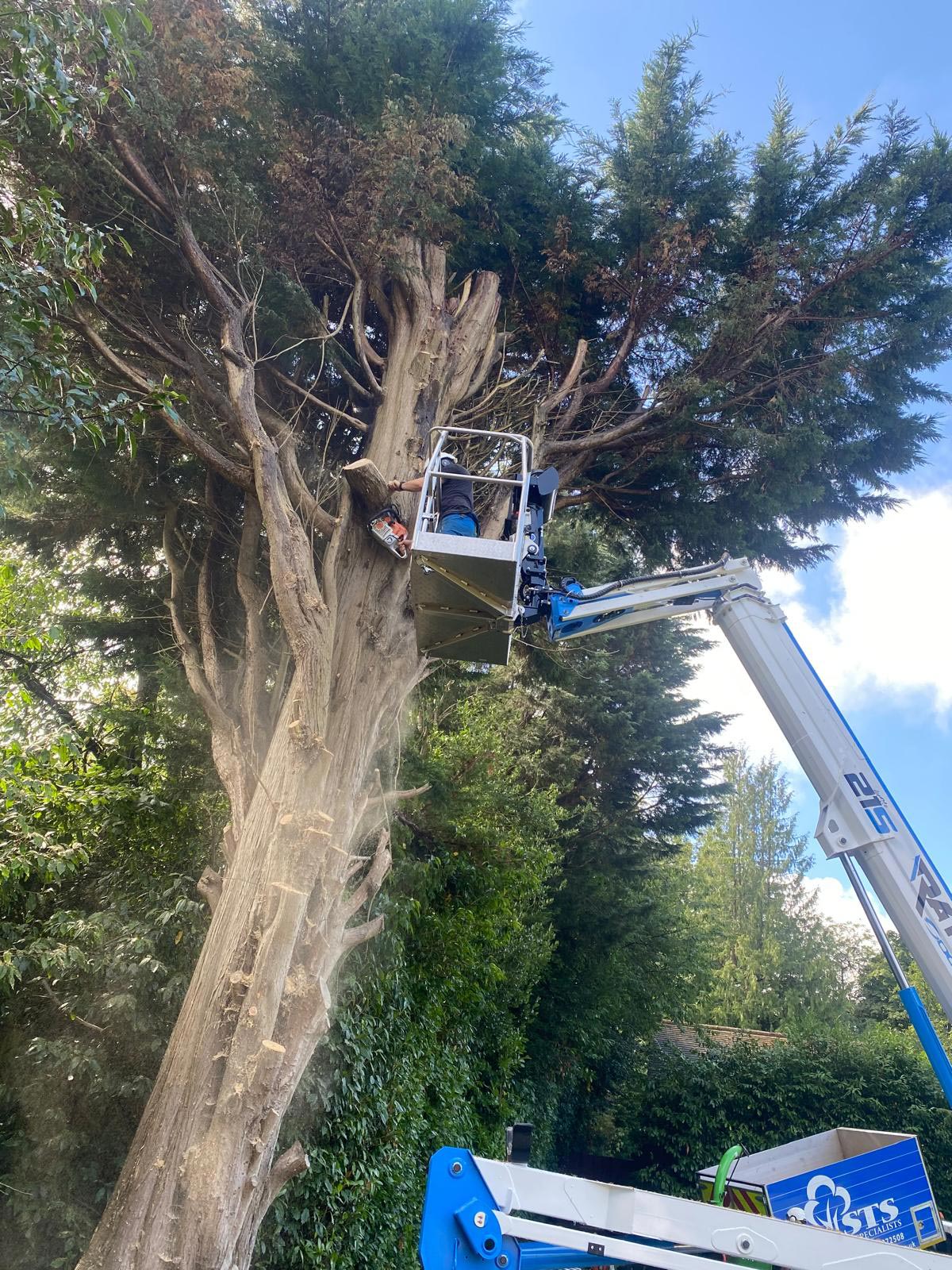
Large pruning jobs should also be carried out by experienced professionals, particularly when working at height or near buildings and power lines.
Final Thoughts
The best time to prune most trees is during late winter while they are dormant, but there is no one-size-fits-all answer. Different species have unique requirements, and factors such as weather, tree health, and safety all play an important role.
Regular pruning not only keeps trees looking their best but also promotes healthy growth, improves structural strength, and extends their lifespan. If you're unsure when or how to prune a particular tree, seeking advice from a qualified arborist can help ensure your trees remain healthy, safe, and thriving for years to come.
Read More Tree Care Advice
Explore more helpful guides from the Branching Out team, covering tree surgery, hedge cutting, permissions, storm damage and seasonal tree care across Horsham and the surrounding areas.


Why Work With Us?
We combine expert tree care, safety, and professionalism with a local, customer-focused approach. Whether it’s routine maintenance, emergency work, or specialist advice, we deliver every service with care, quality, and respect for your property and the enviroment.
Call us today
01403 586088